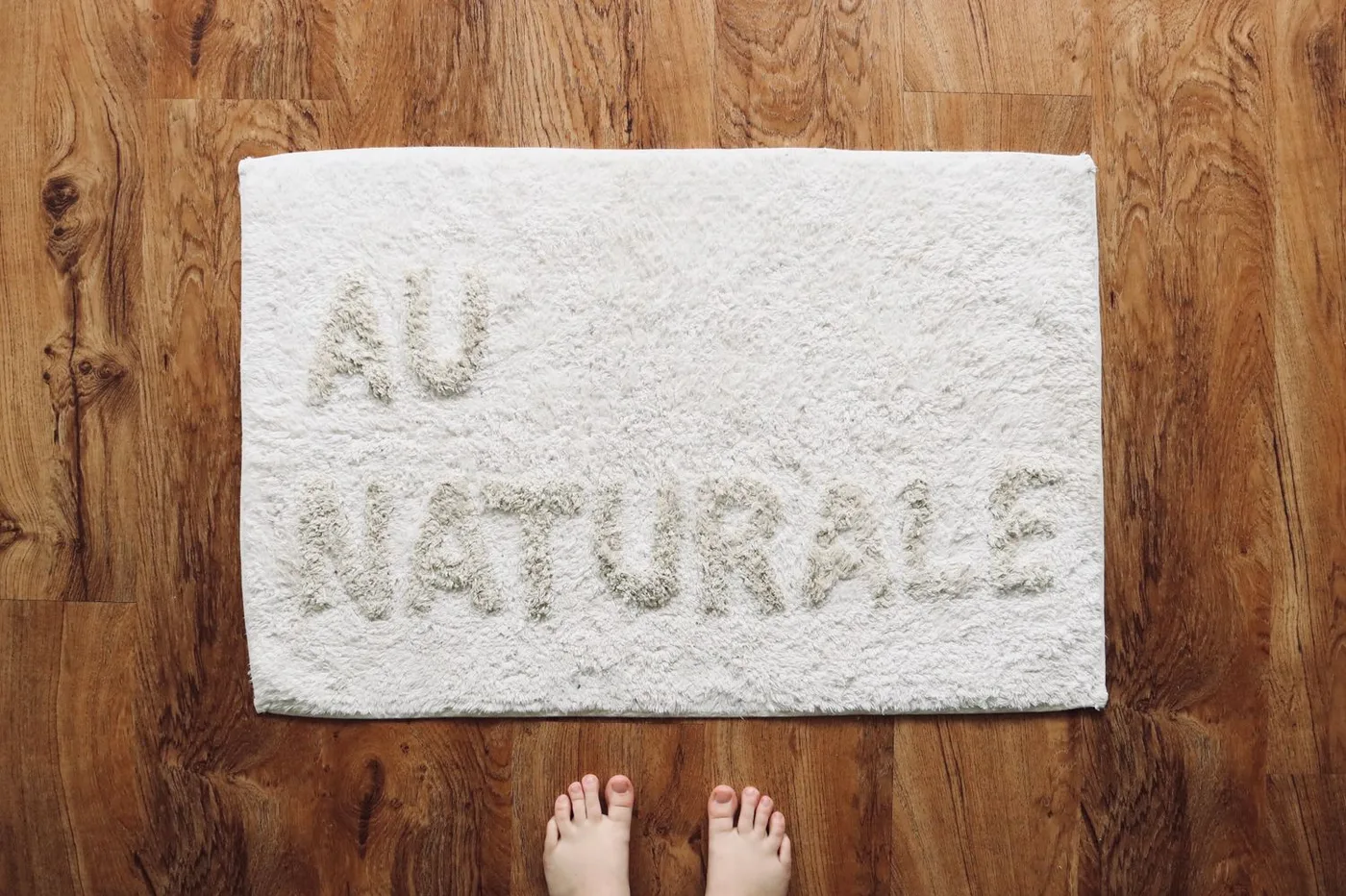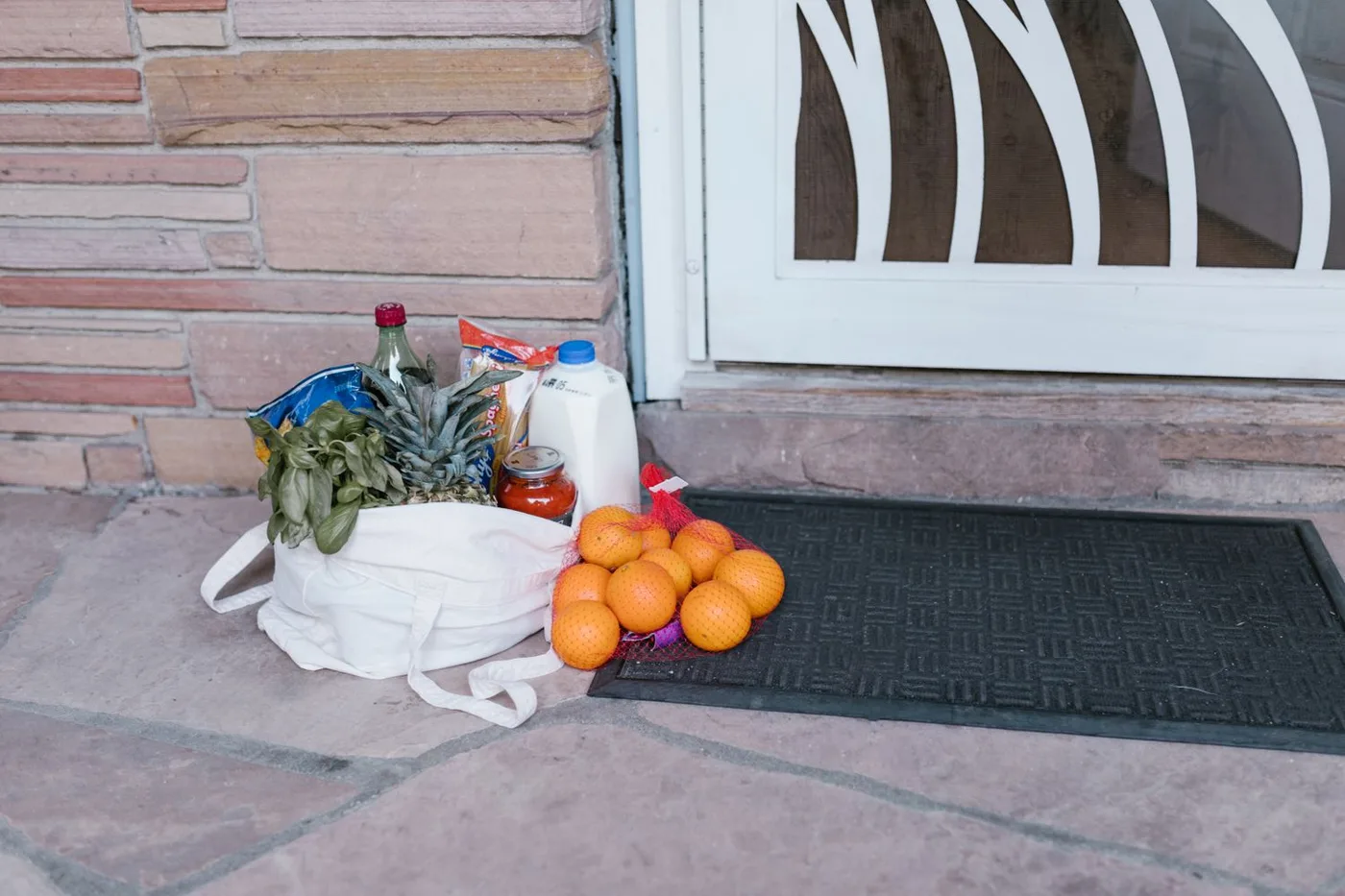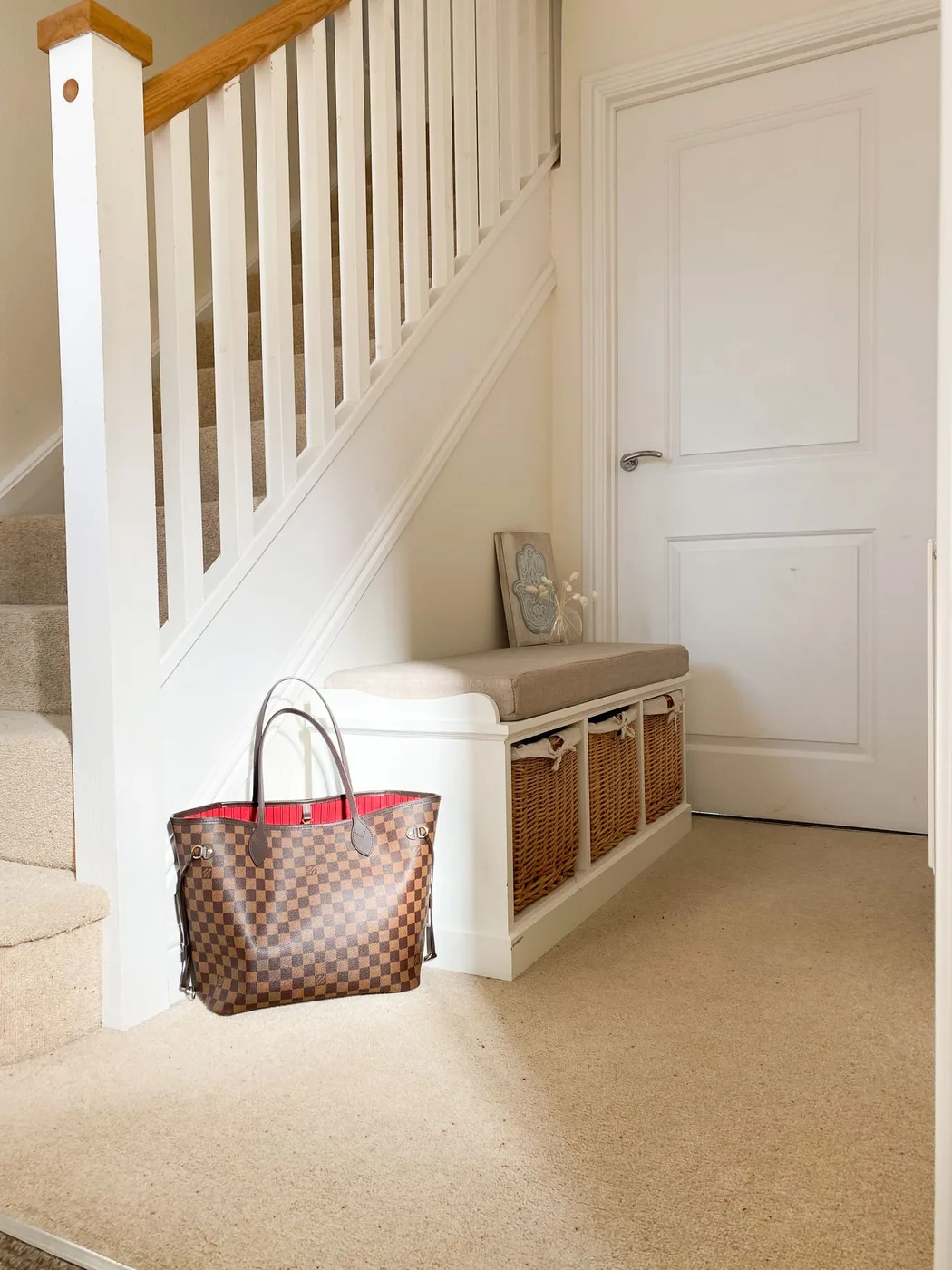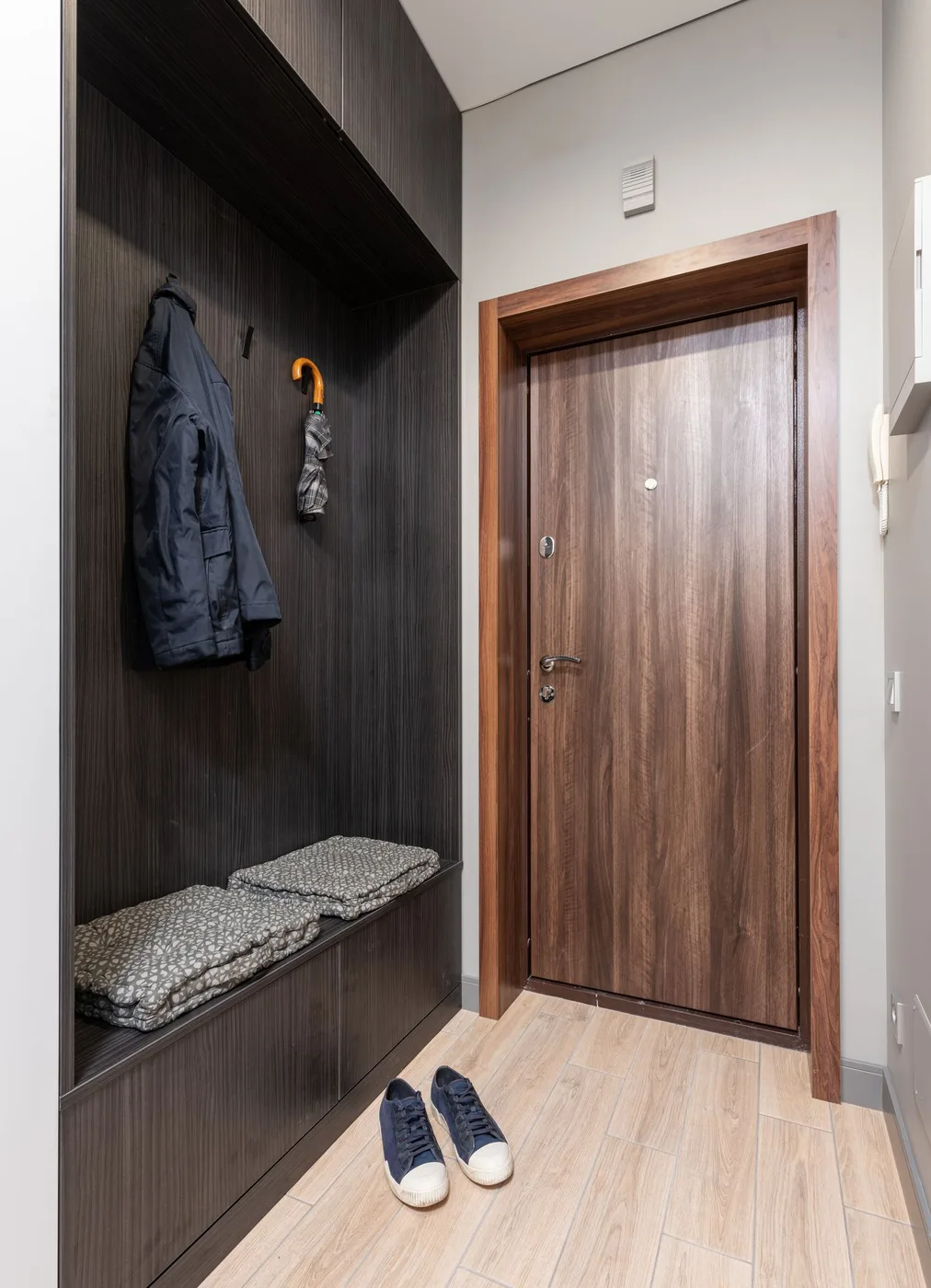
At 6 p.m., one person arrives with groceries, another drops a backpack, and wet shoes appear in front of the only coat cupboard. A narrow entryway becomes a storage problem because it is also a traffic lane. The best arrangement gives each everyday object a destination without turning the doorway into a miniature warehouse.
For a household with no mudroom, begin with three jobs: somewhere to put shoes, somewhere to hang the bag or coat used today, and a place for the small essentials needed tomorrow. Add furniture only after you know those jobs cannot be handled by a simpler shelf, hook, or existing cupboard.
Plan the entryway around what enters and leaves each day, then cap storage so the walking route stays clear.
Watch one ordinary arrival and departure
Notice which hand holds keys and where bags are set down while the door closes. Include deliveries, a dog leash, work badges, and reusable shopping bags if those are part of your routine. The goal is not to create a destination for every possession; it is to catch the few items repeatedly lost or left in the path.
Measure the clear opening with the front door and any closet door fully open. Include the space needed for a person to turn with a bag. Keep access to locks, switches, and the exit unobstructed. A slim console is still too large if it forces everyone to squeeze around its corner.
Give shoes a defined daily limit
Reserve the entryway for the pairs in regular rotation, then move off-season footwear to a wardrobe. A shallow rack makes pairs visible and is easy to inspect beneath. A cabinet creates a calmer visual surface but needs enough interior room for your actual footwear, especially boots and larger sizes.
Wet shoes need a practical drying location. A tray can contain drips, but empty and dry it rather than letting water collect beneath the soles. EPA emphasizes controlling moisture and drying damp materials promptly. Do not place a wet tray over a floor that cannot tolerate trapped moisture and assume the tray has solved the problem.
Mount hooks for the people using them
Position hooks where each person can use them without help, while keeping bags clear of the floor and controls. Check the projection from the wall once a coat or backpack is attached. A row of attractive hooks can consume more usable passage width than the empty hardware suggests.
Follow the rack manufacturer's fixing instructions and use hardware suitable for the wall. IKEA's TJUSIG listing states that wall-mounting screws are sold separately. Include correct fittings in the budget and installation plan. Do not substitute a light decorative hook for a mount expected to carry a full work bag.
| Object | Useful destination | Limit that keeps it usable |
|---|---|---|
| Everyday shoes | Measured rack or appropriate tray | Current pairs only |
| Coat and daily bag | Correctly mounted reachable hooks | One active set per person |
| Keys and access card | Small tray inside a safe location | No loose mail pile |
| Shopping bags | Small labeled basket or cupboard | Return cleaned, dry bags after use |
| Incoming paperwork | Single review slot | Empty during a scheduled reset |
Make a small essentials station
A tray should be large enough for the items you repeatedly need, not wide enough for everything emptied from a pocket. Keep sensitive documents and spare keys out of view from the doorway or windows. If you add charging, route cords so they do not cross the walking area and follow the charger manufacturer's placement instructions.
Create a separate place for mail that needs action. Without that distinction, keys disappear beneath envelopes and the tray stops doing its job. Use a short review routine after arriving rather than buying a multi-tier organizer that hides several weeks of paper. Recycling and filing can happen elsewhere.
Try the arrangement before buying furniture
Use an existing stool, bowl, or box for a few days to test locations. Check the morning exit while everyone is moving at once. If a person repeatedly drops a bag in the same unwanted spot, investigate whether the intended hook is too high, too crowded, or inconvenient to reach.
Buy a bench only when sitting to change shoes is a real need and the footprint works. Check its intended use and load guidance; a storage box is not automatically a seat. Avoid placing tempting objects high on storage furniture where children might climb to reach them, and secure furniture as instructed.
End the evening with a brief reset: return stray shoes, hang the next day's bag, remove rubbish, and check that the exit is clear. The routine is what makes modest storage work. Extra capacity without a limit tends to collect things that belong in other rooms.
Shopping notes
Use these options as a starting point, then check dimensions, current materials, care instructions, availability, and the retailer’s return policy before ordering.
IKEA TJUSIG wall hanger
Consider it for: Compare its vertical arrangement if your entryway has a narrow usable wall section.
The tradeoff: Plan suitable wall fittings separately and check the space occupied by loaded coats and bags.
Explore at the official site External merchant link · no affiliate commissionL.L.Bean rugs and mats — merchant category
Consider it for: Use this category when the arrival route needs a mat chosen for its real size and cleaning needs.
The tradeoff: A mat is only one part of the entryway; check door clearance and floor compatibility before selecting a design.
Explore at the official site External merchant link · no affiliate commissionYour questions, answered
How do I organize an entryway with no room for a table?
Start with suitable wall hooks and a small shelf or tray inside an existing cupboard. Prioritize clear floor space and the objects needed every day.
Should everyone keep all their shoes by the front door?
Usually that overwhelms a small entryway. Keep current pairs there and move occasional or seasonal footwear to another storage area.
Is a decorative basket enough for wet shoes?
A fabric or woven basket can hide moisture and dirt. Choose a suitable drying arrangement and inspect the floor and tray rather than closing damp shoes away.
Sources & further reading
Product and care details were checked against the sources below on October 18, 2026. Our practical recommendations are editorial judgments, and a listed source does not imply endorsement.
- IKEA TJUSIG mounting informationChecked 2026-10-18
- EPA: A Brief Guide to Mold, Moisture and Your HomeChecked 2026-10-18