A cupboard can hold twenty reusable bags while the shopper still reaches the checkout without one. The useful upgrade is usually a smaller set that fits the journey and has a reliable return place. Someone walking home with groceries needs a different bag from someone moving boxed household supplies between a car and garage.
Before shopping, separate grocery use from laundry, shoes, cleaning supplies, and general errands. Think about carrying distance, handle comfort, how the bag closes or stands, and how it can be cleaned. A bag's maximum load is not a recommendation for what you should carry in one hand.
Choose bags around the trip and a workable cleaning method, then store the clean set where the next trip starts.
Start with the trip, not the bag collection
For walking errands, check the handle drop against your coat and how the load sits beside your leg. A shoulder-carry design can feel different once filled with jars or cartons. For car trips, a structured shape may be easier to pack upright, but it still needs a secure, sensible position during travel.
For bulky household goods, a large open tote may work better than several tiny bags. Keep that use separate from food shopping when the contents can leave dirt or residue. Choose a smaller bag for heavy items so the available volume does not tempt you to create an uncomfortable load.
Compare how the material can be maintained
Read care instructions before choosing a grocery bag. USDA's food-safety guidance recommends washing reusable grocery bags after each use with hot water and soap. A bag's own construction may have different heat limits. Both pieces of information matter: do not assume that a cold-wash fashion tote or a wipe-only carryall supports the same cleaning routine.
BAGGU's official care guidance calls for cold washing and line drying for its nylon products. IKEA's listed FRAKTA is wipe-clean, not washable, and is not approved for direct food contact. Those are meaningful tradeoffs. A general-purpose bag can be useful for packaged non-food errands without being the right choice for every grocery task.
| Bag style | Useful use case | Question before buying |
|---|---|---|
| Packable fabric tote | Keeping a light backup with everyday belongings | Can its care instructions support your intended use? |
| Structured washable grocery bag | A planned grocery routine | Are the base and seams cleanable as directed? |
| Large wipe-clean carryall | Bulky packaged household goods | Is it suitable for what you will put inside? |
| Insulated carrier | A trip needing temperature management | How is the lining cleaned and dried? |
| Small sturdy tote | Heavy items in manageable amounts | Are handles comfortable at a realistic load? |
Keep food handling separate from general carrying
Use a clear system so a bag used for dirty shoes does not reappear as a grocery bag the next day. Keep raw meat, poultry, and seafood appropriately contained and separated from other food according to food-safety guidance. Do not rely on an ordinary tote to contain a leak or keep perishable food cold.
Choose a grocery-bag material and any appropriate containment that can be cleaned as required for the job. If contamination occurs and the bag cannot be cleaned using suitable instructions, do not quietly return it to routine food use. A patterned exterior and a fresh scent do not establish that the interior is ready for groceries.
Make packing and unpacking easier
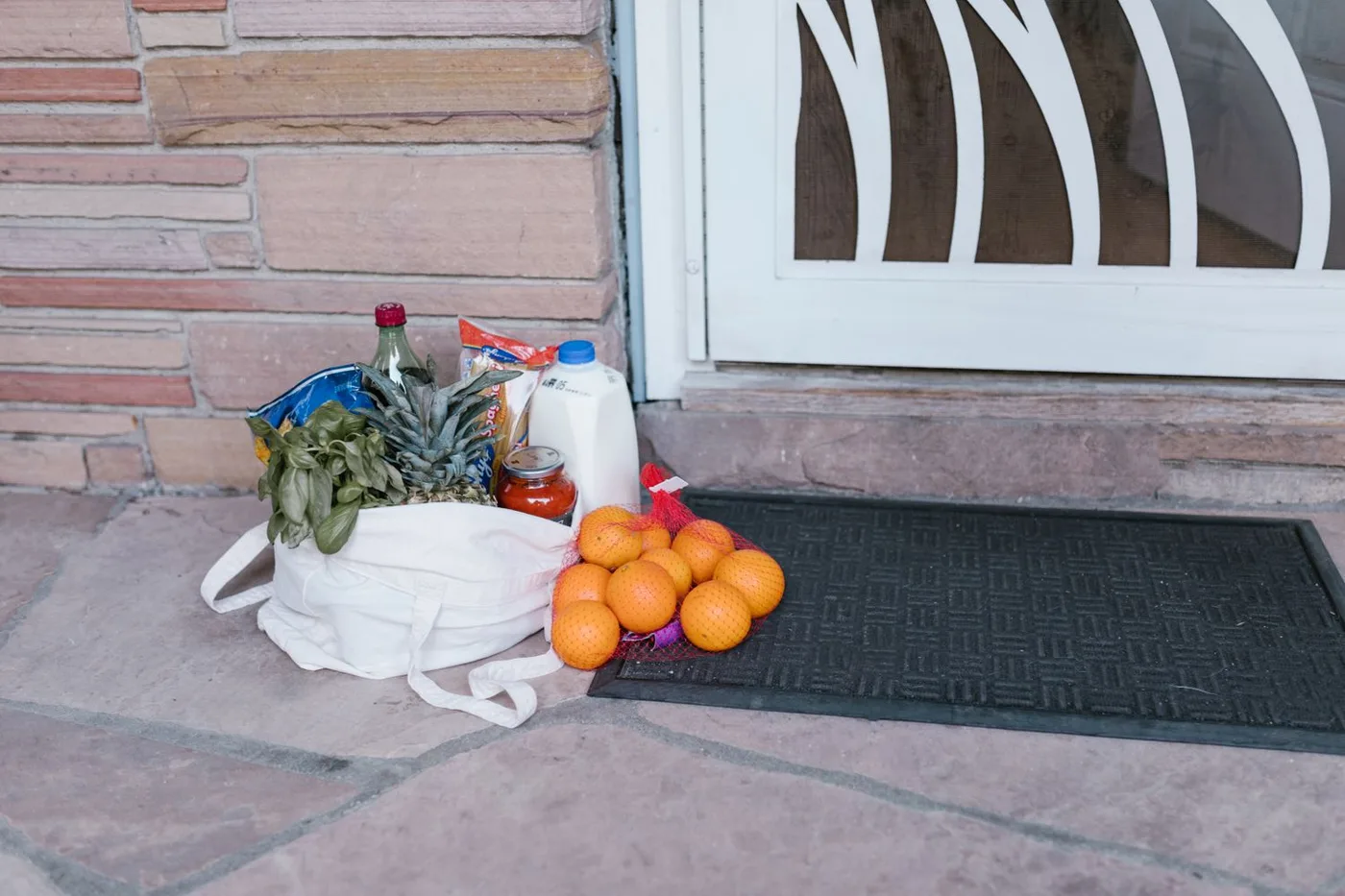
Group items by weight and destination. Put sturdy heavier packages low while avoiding crushing soft produce or bread. Check that sharp packaging cannot snag a fabric panel. Keep any product with leakage or handling warnings appropriately separated and follow its own instructions; an open shopping bag does not replace suitable packaging.
Empty bags fully at home rather than leaving receipts, damp leaves, or loose crumbs in corners. Inspect handles, seams, and any removable base. Follow the care instructions, allow bags to dry thoroughly, and retire a damaged bag before a handle fails during a trip. Insulated bags need particular attention to folds and seams where moisture can remain.
Build a return point that survives a busy week
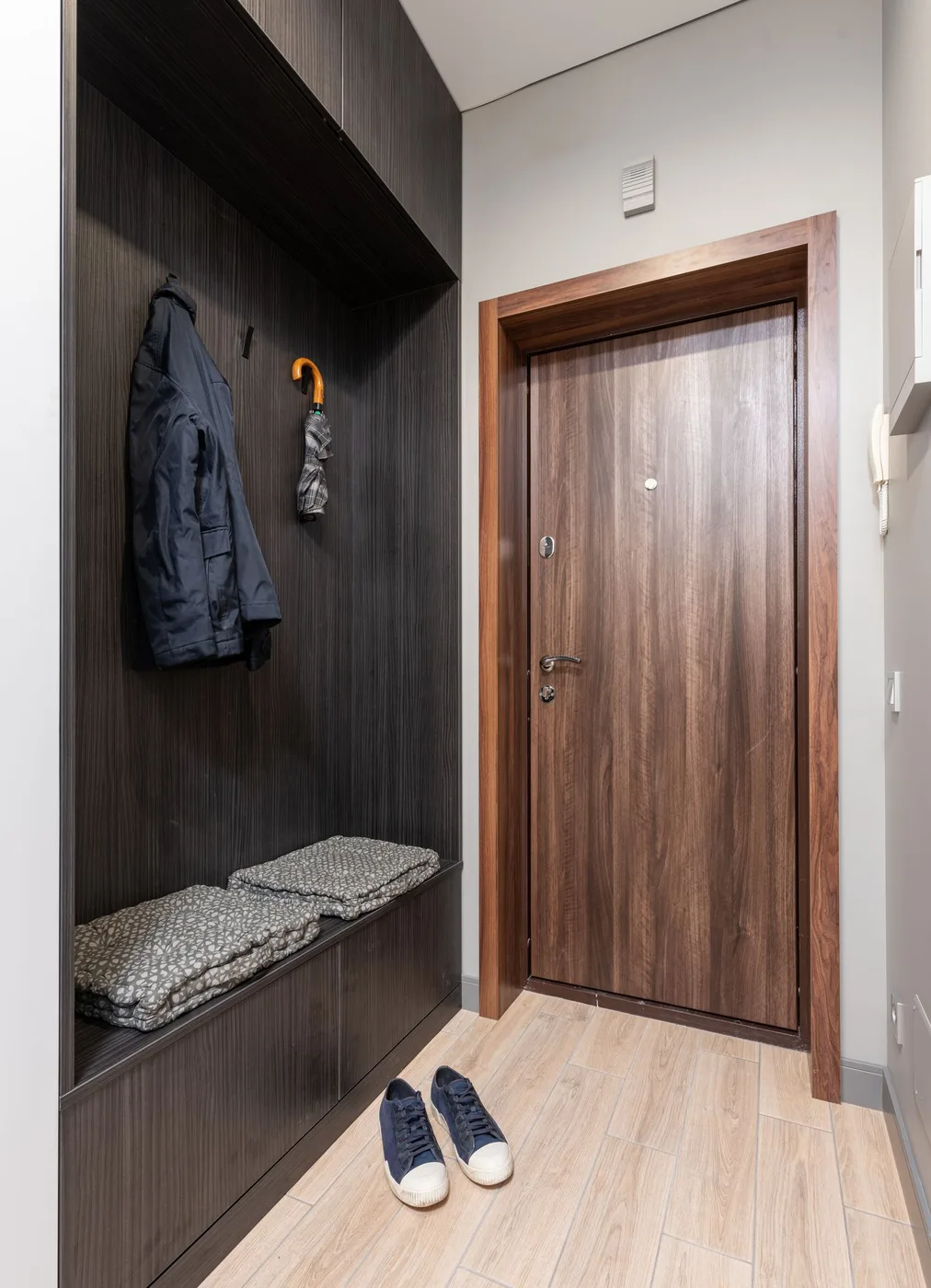
Keep clean, dry grocery bags near the place you prepare to leave, such as a cupboard by the door. Store one appropriate backup with your everyday belongings if that helps. Avoid leaving dirty bags in the car simply because that is where you remember them; they need a cleaning step before the next trip.
Set a limit on the collection. Keep the sizes that earn their place and redirect clean extras to an appropriate use or donation option. Skip buying another novelty tote until you know why the existing bags are being forgotten. A consistent return routine usually does more than a special folding pouch.
The best bag is the one that fits the load, can be maintained for its intended use, and is available when you leave. Reusing a sound bag you already own is often the most sensible starting point.
Shopping notes
Use these options as a starting point, then check dimensions, current materials, care instructions, availability, and the retailer’s return policy before ordering.
BAGGU reusable bags — official category
Consider it for: Compare packable formats for everyday carrying and appropriate packaged errands.
The tradeoff: Review the selected material and care rules. Nylon cold-wash instructions are a real limitation when a job requires a different cleaning method.
Explore at the official site External merchant link · no affiliate commissionIKEA FRAKTA large shopping bag
Consider it for: Consider this roomy carryall for bulky packaged household goods, laundry transport, or other suitable non-food tasks.
The tradeoff: The official listing says wipe-clean and not approved for direct food contact. Do not treat it as a washable grocery-hygiene solution.
Explore at the official site External merchant link · no affiliate commissionYour questions, answered
Can every reusable bag go in the washing machine?
No. Read the exact care label. Some are cold-wash fabrics, some are wipe-only, and removable bases or insulation can have separate restrictions.
Can I use one set for groceries and dirty laundry?
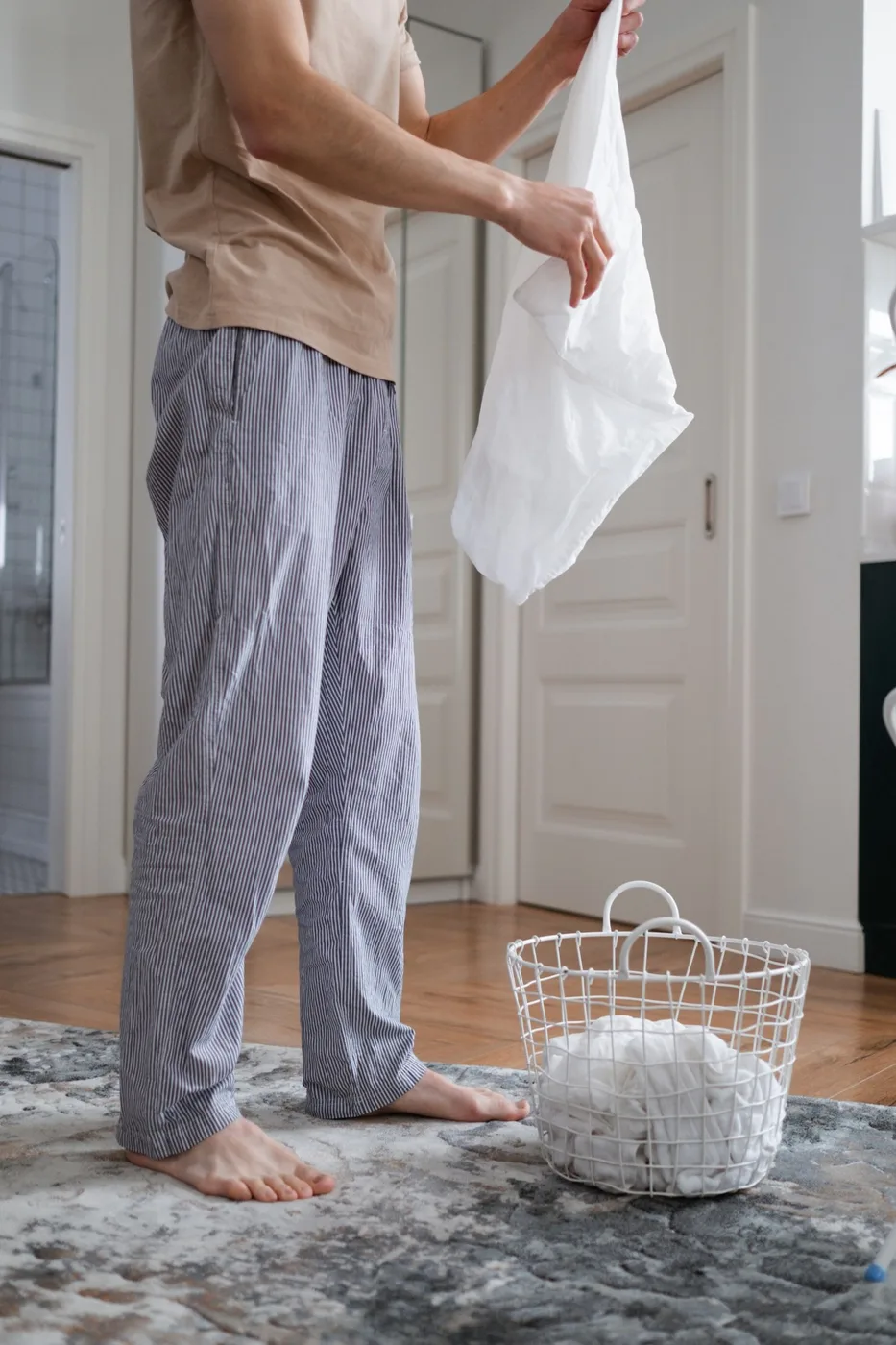
Keep food-shopping bags separate from bags used for dirty items. Choose an appropriate cleaning routine and do not rely on appearance to identify a bag’s prior use.
How many bags should I keep?
Keep enough suitable bags for a normal trip plus a useful backup. More bags help only if they remain clean, dry, and easy to retrieve.
Sources & further reading
Product and care details were checked against the sources below on October 18, 2026. Our practical recommendations are editorial judgments, and a listed source does not imply endorsement.
- USDA FSIS: Washing Food and Reusable Grocery Bag HygieneChecked 2026-10-18
- BAGGU: Official Product CareChecked 2026-10-18
- IKEA FRAKTA: materials, care, and food-contact limitationChecked 2026-10-18