Replacing paper towels with a stack of cloths sounds simple until a damp cloth appears by the sink and nobody knows what it last cleaned. A reusable system needs more than absorbent fabric. It needs recognizable jobs and a route from clean storage to washing.
This guide focuses on ordinary household cleaning, not infection-control procedures. Follow specific public-health instructions for illness, contamination, or vulnerable household members. A cloth is a cleaning tool; its presence does not establish that a surface has been disinfected.
The useful upgrade is a clear rotation: enough suitable cloths to reach laundry day, task separation everyone understands, and complete drying between stages.
Choose jobs before choosing fabrics
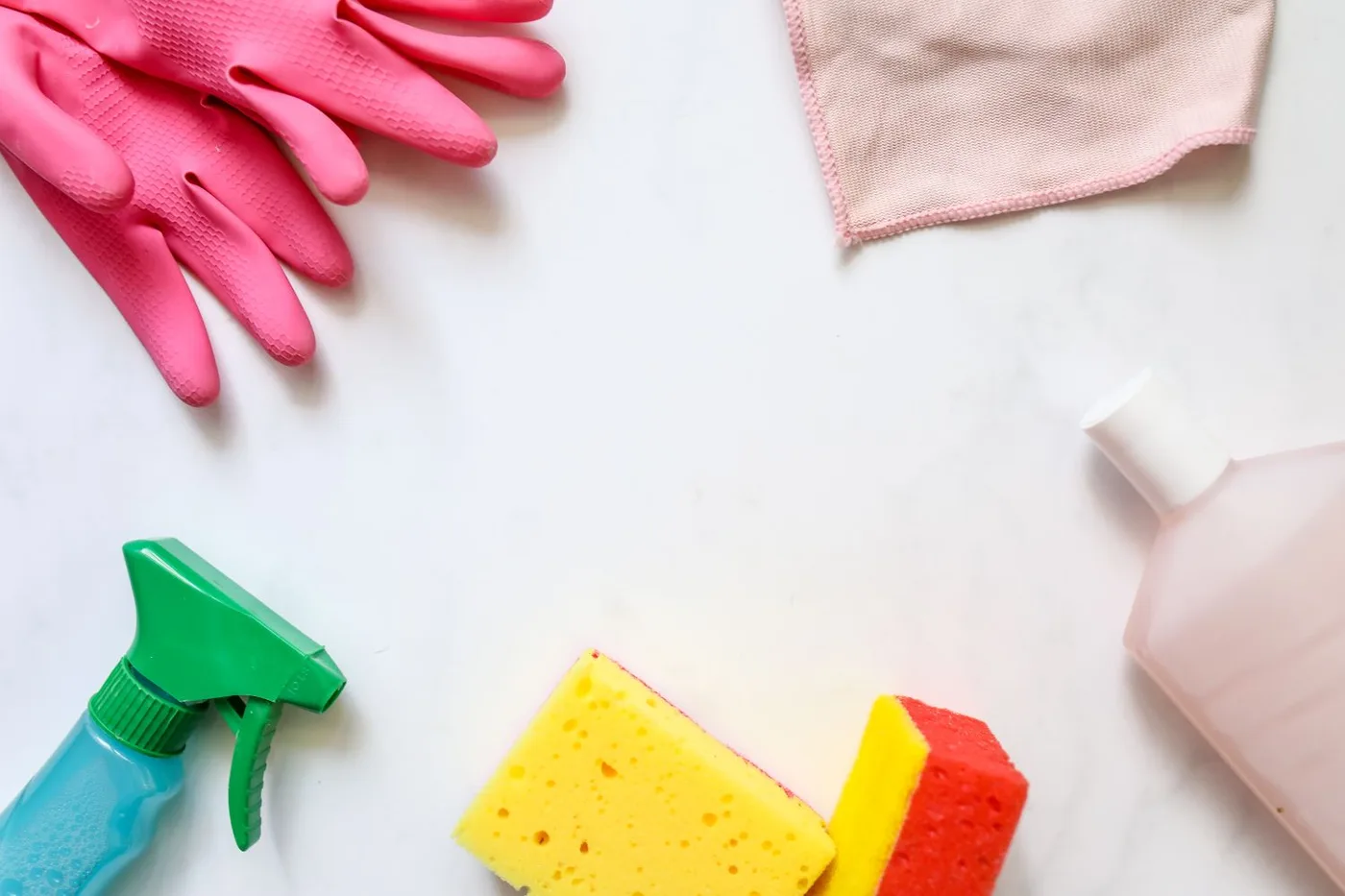
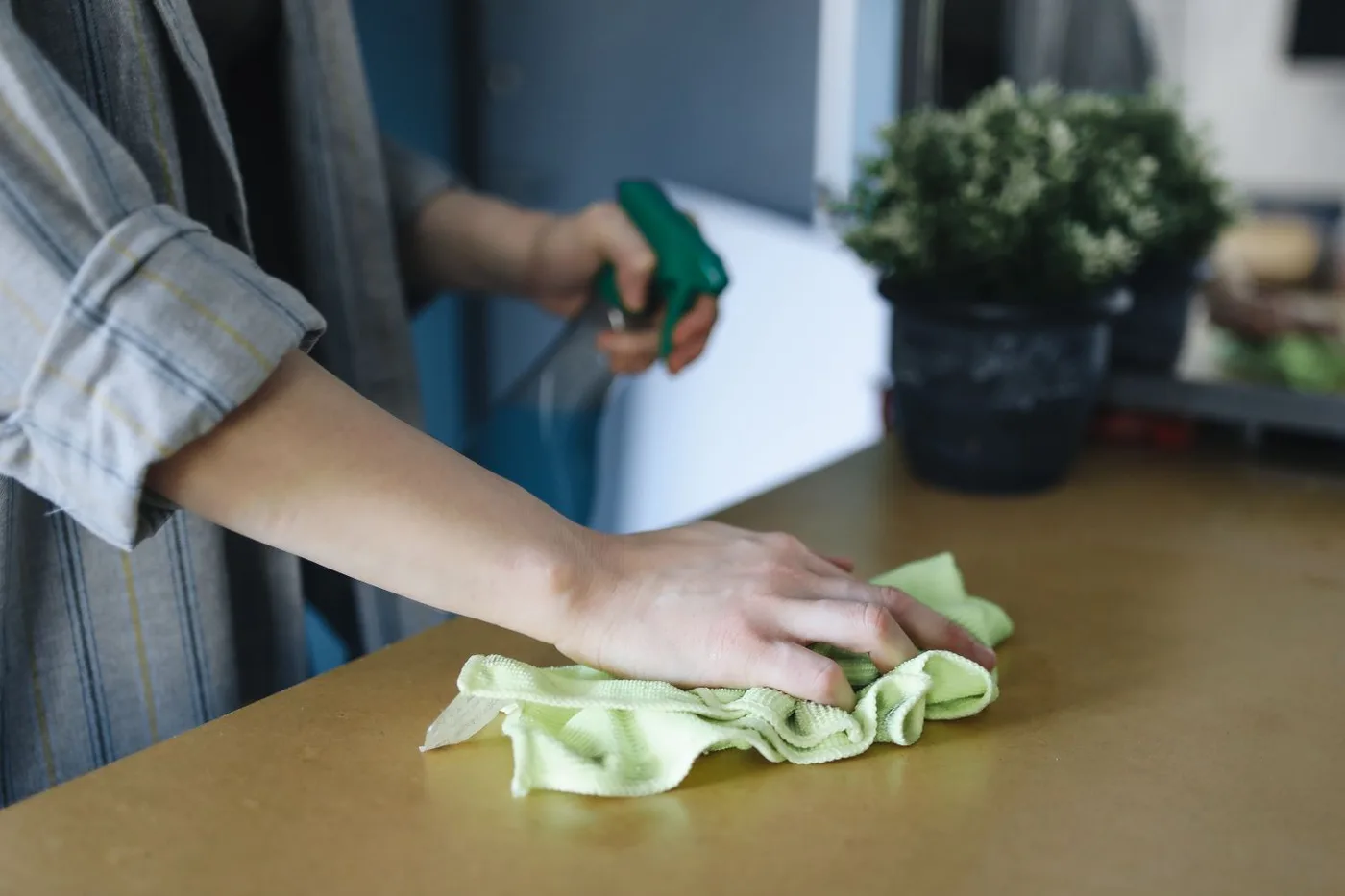
List the tasks you want to cover: wiping table crumbs, washing kitchen surfaces, cleaning a mirror, and bathroom cleanup. Separate food preparation from bathroom work so the same cloth does not travel between them. Keep dish-drying towels distinct from surface-cleaning cloths.
Give each task a color or storage location that every user can remember. Two obvious categories are better than a complicated seven-color code that nobody follows. If color recognition is difficult for someone in the household, use different textures, labeled containers, or separate cupboards instead.
Compare cotton, microfiber, and sponge cloths
Cotton cloths can suit general wiping and spills when their care instructions match your laundry routine. Microfiber is available in different weaves, including cloths intended for glass or general cleaning; check the specific product instead of treating all microfiber as identical. Sponge-style cellulose cloths can be convenient for wet wiping but still need washing and a drying location.
Texture matters on delicate surfaces. Check the surface maker's cleaning advice before using any cloth, particularly on coated appliances or screens. Entrapped grit can change how even a soft cloth behaves, so start with a clean tool and avoid carrying abrasive debris to the next surface.
| Task | Cloth direction | Routine requirement |
|---|---|---|
| Kitchen surface wiping | Washable everyday cloth | Change when soiled and keep from bathroom tools |
| Mirror finishing | Dedicated suitable glass cloth | Keep free of greasy residues |
| Bathroom cleanup | Clearly separate washable cloth | A distinct used-cloth route |
| Large spills | Absorbent cloth or suitable towel | Enough replacements before laundry |
Work out how many you actually need
Count likely uses between laundry loads rather than ordering the largest discounted pack. If you change a kitchen cloth daily and launder every third day, you need enough for that interval plus a small buffer. This is a planning example, not a universal hygiene schedule; change soiled cloths sooner and adapt to the job.
A household doing frequent laundry can manage a smaller rotation than one washing weekly. Add dedicated bathroom and glass cloths separately. Too few cloths encourages reusing a dirty one, while an enormous pack can fill a cupboard and delay washing because clean replacements seem endless.
Give used cloths a visible route
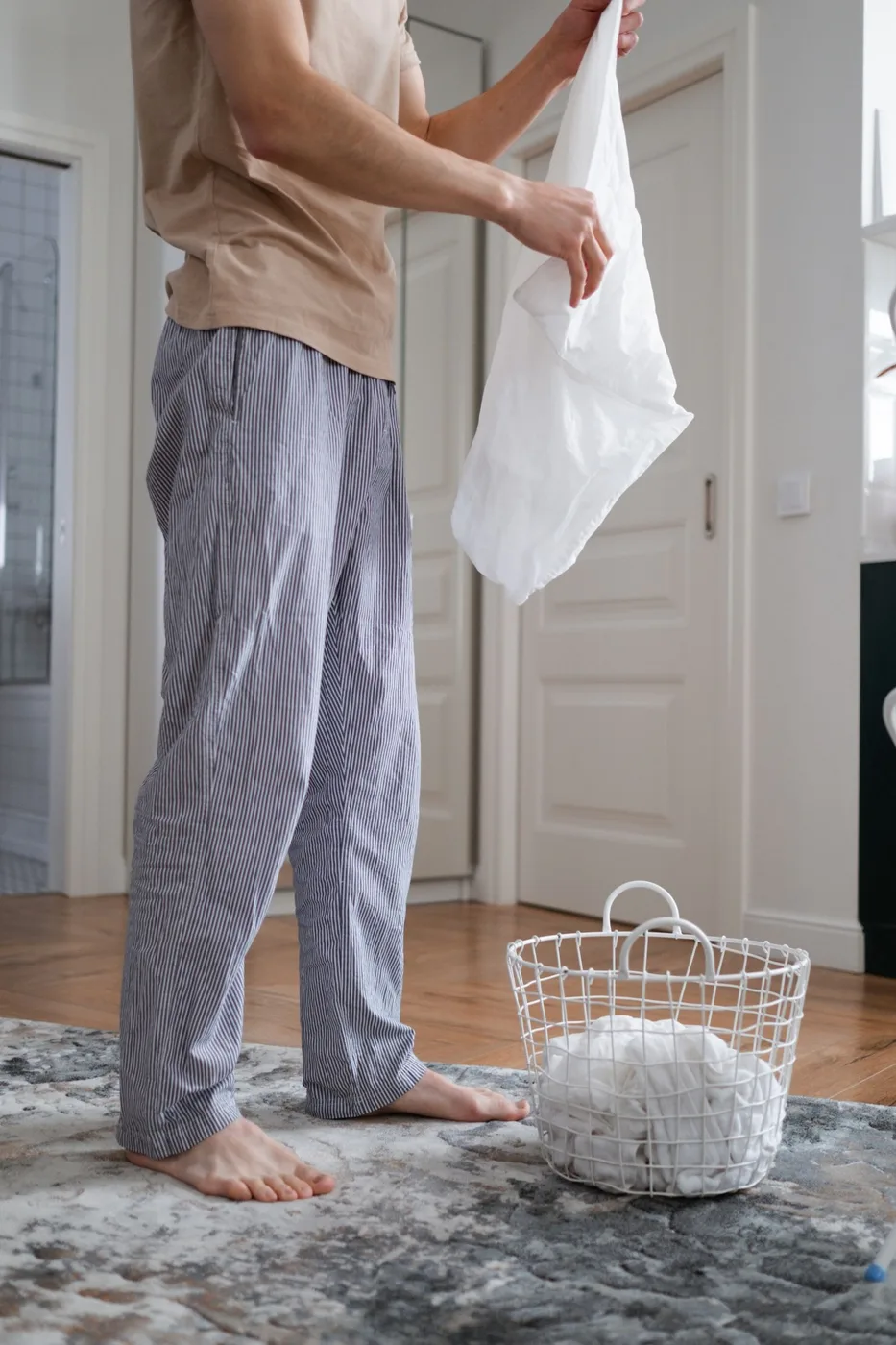
Set up three stages: clean storage, a place for a wet cloth to dry pending laundering, and the laundry container. Do not let a damp cloth's next destination be an unventilated heap. Choose a drying spot that keeps it away from food, children, pets, and clean towels.
Make the system easy to reset after a rushed cleanup. A labeled washable container near the laundry area can help, provided its own cleaning is included. Avoid storing dirty cloths under the same lid as clean cloths just because the container has attractive compartments.
Launder for the actual product
CDC recommends laundering suitable items with detergent using the recommended water temperature and drying them completely. Follow the cloth manufacturer's care instructions as well. Microfiber products can have particular limits on additives or heat; inspect the label rather than adopting a generic internet washing recipe.
Rubbermaid's HYGEN range illustrates that cleaning cloths are offered by intended task and color, including dedicated glass options. Its commercial performance claims apply to specified products and testing conditions. They should not be used to claim that a household cloth routine automatically sanitizes every surface.
Keep a sensible role for disposable options
A reusable routine does not need to handle every possible mess. For a task where the relevant guidance or product instructions call for a disposable tool, use one. Avoid extending a dirty cloth's life merely to meet an arbitrary zero-waste target.
When shopping, prioritize a fabric you can care for, a useful hand size, and enough replacements. Skip large bundles if the care label is unclear. Inspect existing worn towels too: some can become suitable general cleaning cloths, while fraying fabric or pieces that shed onto a delicate surface may be poor candidates.
Shopping notes
Use these options as a starting point, then check dimensions, current materials, care instructions, availability, and the retailer’s return policy before ordering.
Rubbermaid Commercial HYGEN microfiber range
Consider it for: Comparing task-specific cloths and an easy-to-recognize color system.
The tradeoff: Commercial pack sizes can exceed household needs; check the individual care instructions and avoid transferring laboratory claims to your routine.
Explore at the official site External merchant link · no affiliate commissionYour questions, answered
Can kitchen and bathroom cloths share a drawer?
Store clean, fully dry cloths so their tasks stay obvious. Separate labeled sections or different storage locations reduce mistakes. Keep used cloths out of that clean drawer altogether.
Does microfiber disinfect a counter with water alone?
Do not assume that. Cleaning and disinfecting are different processes, and product performance claims have conditions. Use an appropriate disinfecting method when needed and follow its surface and contact-time directions.
Is a bulk cloth pack better value?
Only if the size, fabric, and care routine work for your household. Buy a modest quantity first, use it through several wash cycles, and expand when the rotation proves useful.
Sources & further reading
Product and care details were checked against the sources below on October 18, 2026. Our practical recommendations are editorial judgments, and a listed source does not imply endorsement.
- CDC: When and How to Clean and Disinfect Your HomeChecked 2026-10-18
- Rubbermaid Commercial: HYGEN MicrofiberChecked 2026-10-18