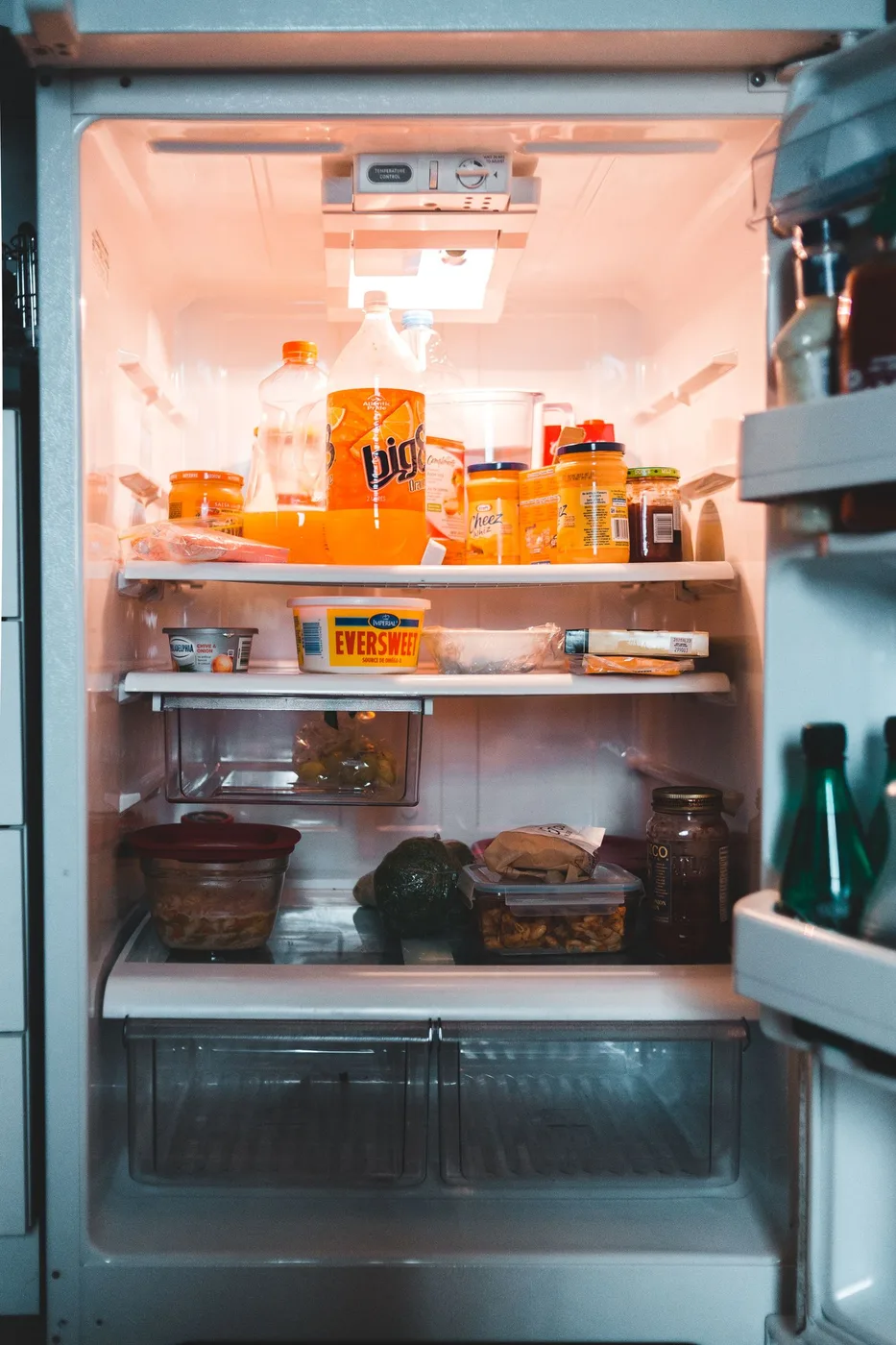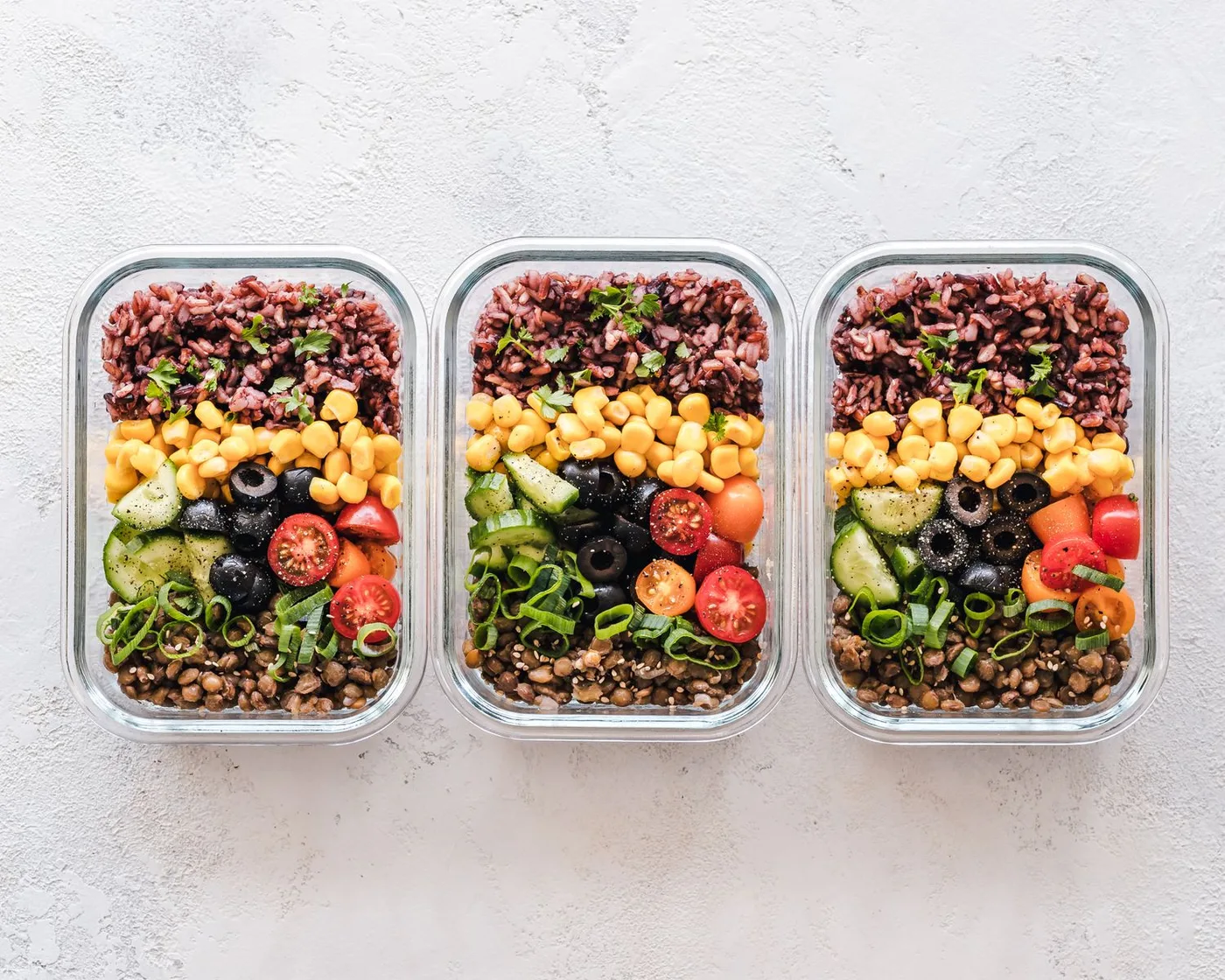
Sunday dinner leaves half a tray of vegetables, enough rice for lunch, and a little sauce. A giant matching container set can still fail this simple situation if the useful sizes are dirty or the correct lids are missing. Start with the food you routinely save, not the number printed on the box.
Glass and plastic can both have a place in a household. This comparison uses published manufacturer information and food-storage guidance; it does not claim that Domavello has tested seals or measured long-term durability.
Choose a small family of compatible containers for your main routine, then add a few task-specific pieces. Weight, lid care, and storage shape matter as much as material.
Match the container to its journey
Map the route from dinner to the next meal. Does the container stay in the refrigerator, travel in a backpack, go into a freezer drawer, or become a serving dish? Glass can suit leftovers eaten at home, while a lighter plastic container may be easier to carry. Neither material alone tells you whether a lid is leak-resistant or the base is approved for heating.
Separate three requirements: food storage, transport, and reheating. Read the instructions for both base and lid, because their permissions may differ. A storage-safe container is not automatically oven-safe, and a microwave symbol is not an instruction to heat it while fully sealed.
Understand the practical material tradeoffs
Glass is heavier and can break, which matters if you carry lunch on foot or wash dishes in a small sink. Plastic is generally easier to carry, but condition and intended use still deserve attention. Staining is inconvenient; cracking, a distorted closure, or damage that prevents cleaning is a reason to reassess the piece.
Avoid buying a complete second collection merely to match everything. Keep sound containers that fit your routine. If your main frustration is lid confusion, switching to fewer shapes and compatible lids may help more than changing material.
| Need | Useful direction | What to check |
|---|---|---|
| Lunch on a long commute | Lightweight transport container | Latches, gasket, lunch-bag fit |
| Leftovers eaten at home | Glass or suitable plastic | Heating and lid instructions |
| Freezer meal portions | Approved freezer containers | Headspace and stacking guidance |
| Small storage cupboard | Shared-lid shapes | Actual nested height |
Buy sizes around portions, not set size
For a two-person household, begin by measuring the leftovers from two or three regular dinners with a measuring cup. Note whether you save one complete meal or separate ingredients. A few medium containers and smaller sauce pots may prove more useful than a very large casserole-sized box.
Count usable bases when comparing sets; lids are often included in the advertised piece count. Check whether the smallest boxes are sizes you would use. A large bundle can be poor value if half the contents are too small for lunch and too large for dressing.
Make safe cooling easy
USDA recommends dividing large quantities of leftovers into shallow containers, refrigerating promptly, and generally using refrigerated leftovers within three to four days. Perishables should be refrigerated within two hours, or one hour above 90°F. A container collection should support those steps rather than leave one deep pot waiting for a perfect lid.
Set clean containers beside your serving area before dinner. Portion the food you intend to save, label it with the cooking date, and leave enough fridge space to place it sensibly. Labels are a household memory aid; they do not extend the food's safe storage time.
Treat the closure as part of the product
Inspect how many parts need washing. A removable gasket can make thorough cleaning possible, but it also asks someone to remove, wash, dry, and replace it correctly. A complicated latch is a poor fit for a child or adult who struggles to open it.
Rubbermaid's Brilliance range includes plastic and glass options, so check the exact item rather than assuming the entire range has identical use instructions. For any transport container, read the manufacturer's closure guidance and do an initial water check over the sink before trusting it beside a laptop. That simple household check is not a safety certification.
Create a cupboard that stays usable
Store frequently used containers where they can be reached with one hand. Keep lids upright in a narrow bin, or loosely pair each lid with its dry base if space permits. Never close damp pieces merely to make the cupboard look tidy.
Buy one useful size first and use it through several meal cycles. Check how it fits in the dishwasher, lunch bag, refrigerator, and cabinet. Expand only when that first piece works across the whole routine. Replacement availability is worth investigating before committing to a large collection.
Shopping notes
Use these options as a starting point, then check dimensions, current materials, care instructions, availability, and the retailer’s return policy before ordering.
Rubbermaid Brilliance food storage range
Consider it for: Households comparing plastic and glass options within one named product family.
The tradeoff: Sizes and care permissions differ; review the exact base and lid rather than relying on the range name.
Explore at the official site External merchant link · no affiliate commissionYour questions, answered
Do I need to replace all my plastic containers with glass?
There is no need to discard sound items that are appropriate for their intended use. Replace damaged or unsuitable pieces and choose new material around weight, handling, cleaning, and heating requirements.
Can a container go straight from freezer to oven?
Do not assume so. Temperature-change restrictions vary, even among glass products. Follow the exact manufacturer's instructions and use another dish if the permitted sequence is unclear.
Are airtight and leakproof the same claim?
No. A container intended to keep dry pantry food sealed may not be designed to travel with soup. Look for the specific transport claim and any conditions attached to it.
Sources & further reading
Product and care details were checked against the sources below on October 18, 2026. Our practical recommendations are editorial judgments, and a listed source does not imply endorsement.
- USDA: Leftovers and Food SafetyChecked 2026-10-18
- Rubbermaid: Brilliance food storage containersChecked 2026-10-18