A packed lunch might spend an hour on a train, wait in a shared office refrigerator, and be reheated in a microwave with little counter space. The container has to work throughout that journey. A beautiful compartment layout at breakfast is not enough if the lid is hard to wash or the meal leaks into your bag.
Start with three lunches you regularly enjoy. A salad, rice bowl, and sandwich ask for different shapes and different separation. The most useful purchase is often simpler than an elaborate meal-prep set.
Match the container to your meal and transport conditions, then check cooling, lid handling, and cleaning. A divided box is useful only if its compartments match what you eat.
Map the route to lunchtime
Write down when the meal leaves the home refrigerator, whether a refrigerator is available at the destination, and how it will be eaten. Include the walk from transit, errands, or a lunch break away from the office. A reusable box does not keep food cold merely because it closes tightly.
USDA recommends an insulated lunch bag and at least two cold sources for perishable lunches, with refrigeration at the destination when available. Pack around that cooling plan first. Measure the bag with the cold sources in place; the space left for food may be smaller than the empty bag suggests.
Choose a shape around the food
A broad shallow container can make a grain bowl easier to mix, while a deep container may suit a substantial salad if there is room to add dressing and toss. A sandwich needs a shape that avoids crushing it. A soup needs a container specifically suited to liquid transport and the intended temperature.
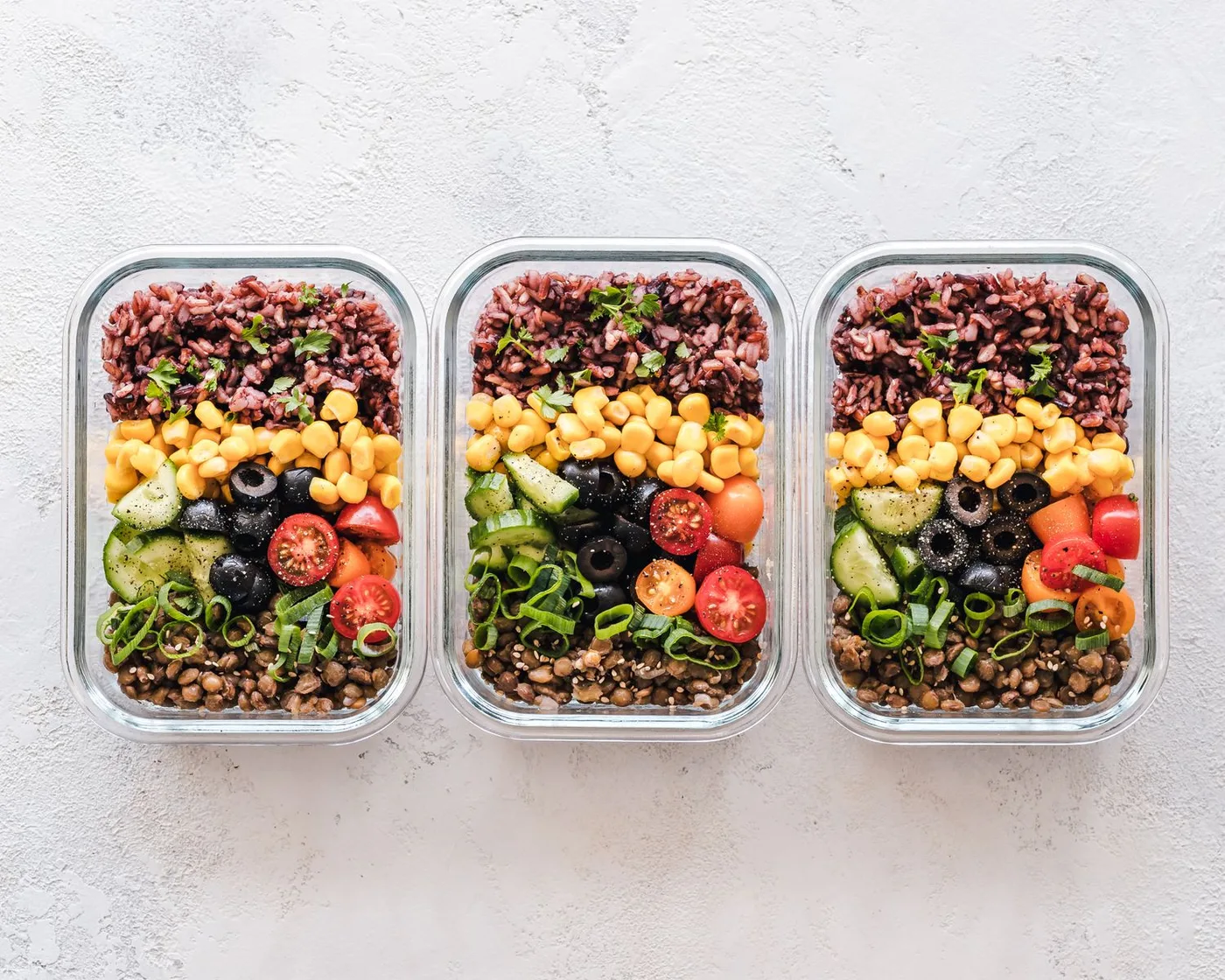
Divided boxes keep some foods apart, but not all dividers seal independently. Check whether the maker says liquid can move between compartments. If crisp vegetables and sauce must remain separate, a small sealed dressing pot may be more useful than adding another large divided container to the cupboard.
| Regular lunch | Useful configuration | Check carefully |
|---|---|---|
| Rice and vegetables | One main container with room to stir | Heating instructions for base and lid |
| Salad with dressing | Deep bowl plus small dressing pot | Space to mix at lunchtime |
| Sandwich and sides | Broad box or suitable dividers | Bread height and compartment sealing |
| Soup | Purpose-designed liquid container | Transport closure and temperature guidance |
Compare weight with the whole bag loaded
Glass can be convenient for lunches eaten and reheated at a desk, but its weight matters on a walking commute. Add the filled container, insulated bag, cold packs, cutlery, and water bottle before judging the load. A lighter plastic container may suit frequent travel better, subject to its intended use and care.
Do not decide from material alone. A lightweight box with a bulky lid may take more bag space than a compact heavier one. Photograph your lunch bag beside the published dimensions or make a cardboard model. Check whether it fits upright if that is required for transport.
Choose closures you can use comfortably
Try the opening sequence if possible. Multiple tight clips can be inconvenient when you have limited hand strength, long nails, or a short lunch break. A gasket may improve a particular closure design but creates another part to inspect and clean. Confirm whether it can be removed and replaced correctly.
Rubbermaid's Brilliance range contains ordinary storage and meal-prep options, including divided pieces. Check the exact version's published use instructions rather than assuming every product has identical microwave or freezer permissions. A marketed leak-resistant design still depends on correctly fitted, undamaged parts and the stated conditions of use.
Make reheating a separate decision
Check both the container and workplace microwave rules. Follow the manufacturer's instructions about venting, lid removal, and heating. If the container is intended only for cold transport, transfer the meal to an appropriate dish. A quick office lunch is a poor moment to discover that the box cannot be used as planned.
USDA advises reheating leftovers to 165°F and checking with a food thermometer. Container convenience does not replace appropriate food handling. Avoid packing a meal whose safe preparation or storage depends on facilities you cannot access, and follow food-specific guidance for what to do with uneaten portions.
Buy for the washing cycle, not the whole week
If you wash and dry your container nightly, two useful boxes can provide a buffer. If containers regularly remain at work, buying more may only increase the stack awaiting collection. Establish a return routine, such as emptying the bag before starting dinner, before expanding the collection.
Check the dishwasher fit, corners, and lid channels. A heavily compartmented insert may require much more careful washing than a simple bowl. Skip accessories that do not match your meals, and prioritize a size you enjoy eating from. A container that turns familiar leftovers into an easy lunch earns its cupboard space.
Shopping notes
Use these options as a starting point, then check dimensions, current materials, care instructions, availability, and the retailer’s return policy before ordering.
Rubbermaid Brilliance lunch and meal-prep range
Consider it for: Comparing ordinary boxes and divided options for lunches that match their intended use.
The tradeoff: Read the exact closure, care, and heating instructions; you may still need an insulated bag and separate cold sources.
Explore at the official site External merchant link · no affiliate commissionYour questions, answered
Does a leakproof box keep lunch safely cold?
No. A closure claim concerns containment, not temperature. Perishable food needs an appropriate cold-storage plan during the journey and until it is eaten.
Should sauce go in the main compartment?
Only if the container's design and the meal suit that arrangement. A small separate sealed pot helps keep crisp foods from sitting in dressing and avoids assuming that dividers are liquid-tight.
How many lunch boxes should I own?
Base the number on your washing and return cycle. Begin with one well-fitted container and a practical spare, then expand only if a specific meal or schedule makes another necessary.
Sources & further reading
Product and care details were checked against the sources below on October 18, 2026. Our practical recommendations are editorial judgments, and a listed source does not imply endorsement.
- USDA: Keeping Bag Lunches SafeChecked 2026-10-18
- Rubbermaid: Brilliance food storage containersChecked 2026-10-18