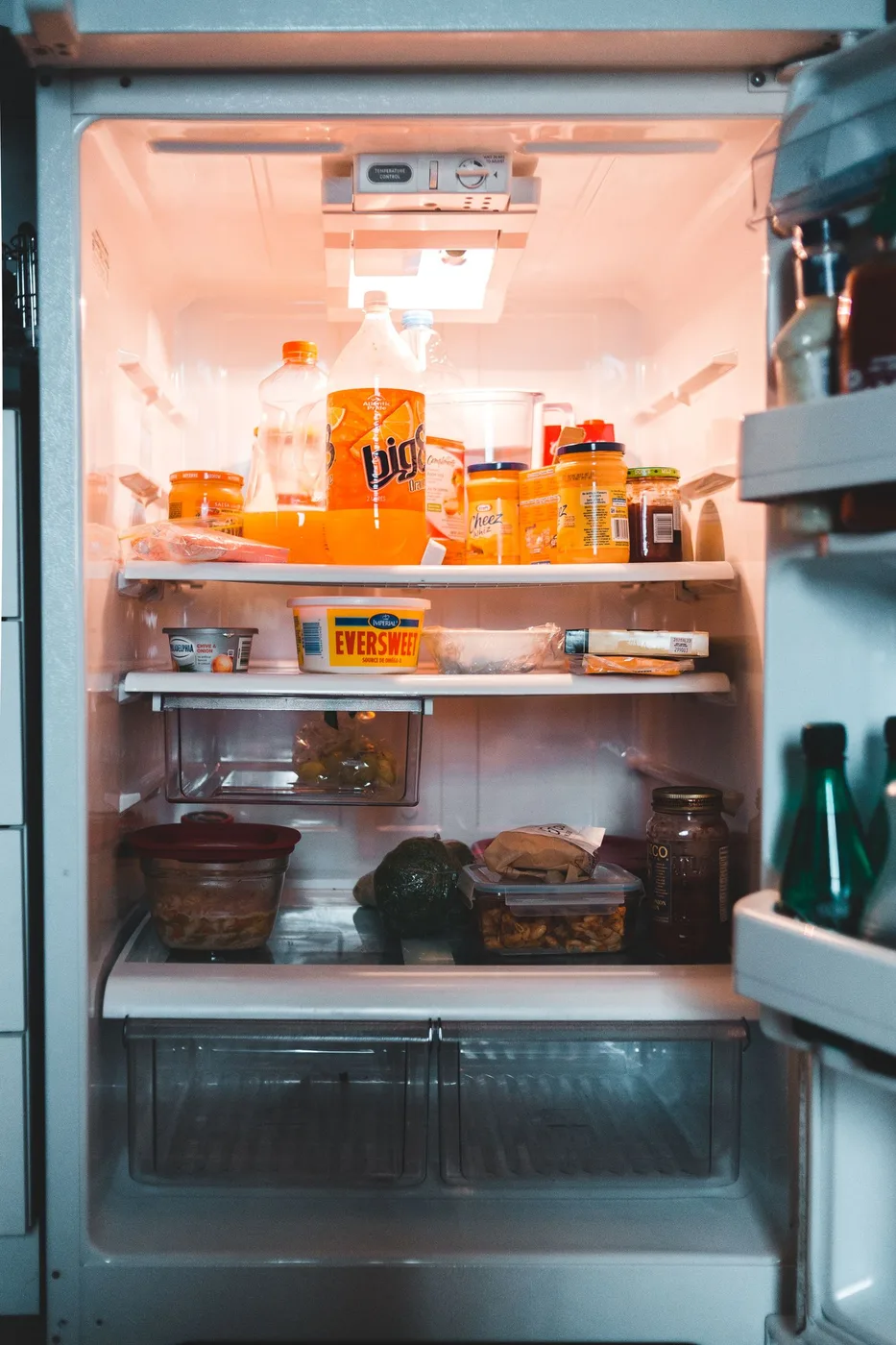
The refrigerator is full after groceries, yet dinner still begins with searching behind condiments for an open tub. A useful reset should make food easier to find and handle, without turning every shelf into a display of identical bins. Start with the refrigerator you own and the meals you expect to cook.
This approach suits a household sharing one fridge across breakfasts, packed lunches, and evening cooking. It combines official food-storage guidance with practical organizing suggestions; an attractive arrangement is useful only when the food remains stored appropriately.
Check the refrigerator temperature, keep raw-food juices contained, and create one visible place for dated leftovers before adding organizers.
Check temperature before arranging shelves
FDA advises keeping a refrigerator at 40°F or below, checking it with an appliance thermometer, and leaving enough space for air to circulate. A tidy shelf does not establish that the temperature is suitable. Follow the appliance manual for ventilation and shelf positions.
Avoid a long styling session with perishables sitting on the counter. Work in small sections and keep food appropriately chilled. Remove expired or questionable items according to relevant guidance, wipe spills, and return food promptly. This is also a chance to identify a poorly closing door or a blocked vent rather than hiding it behind a new bin.
Separate foods by handling needs
USDA recommends securely containing raw meat, poultry, and seafood so juices cannot contaminate other foods. Keep that containment easy to lift and inspect, positioned so a spill cannot drip onto ready-to-eat food. Follow your appliance's compartment guidance where it applies.
Group covered ready-to-eat items where household members can identify them easily. Keep package instructions visible, particularly for foods whose storage changes after opening. Do not assume two products with similar packaging have identical requirements. A household zone is an organizing aid, while the food label and safe storage needs remain the priority.
| Zone | Purpose | Helpful accessory only if needed |
|---|---|---|
| Dated leftovers | Make the next meal visible | A removable low tray |
| Raw-food containment | Keep leaks from other foods | Suitable washable leak-catching container |
| Breakfast group | Simplify repeated morning reaches | A narrow bin for loose small items |
| Produce drawers | Use intended compartments | Usually no extra bin |
Create an eat-next routine with dates
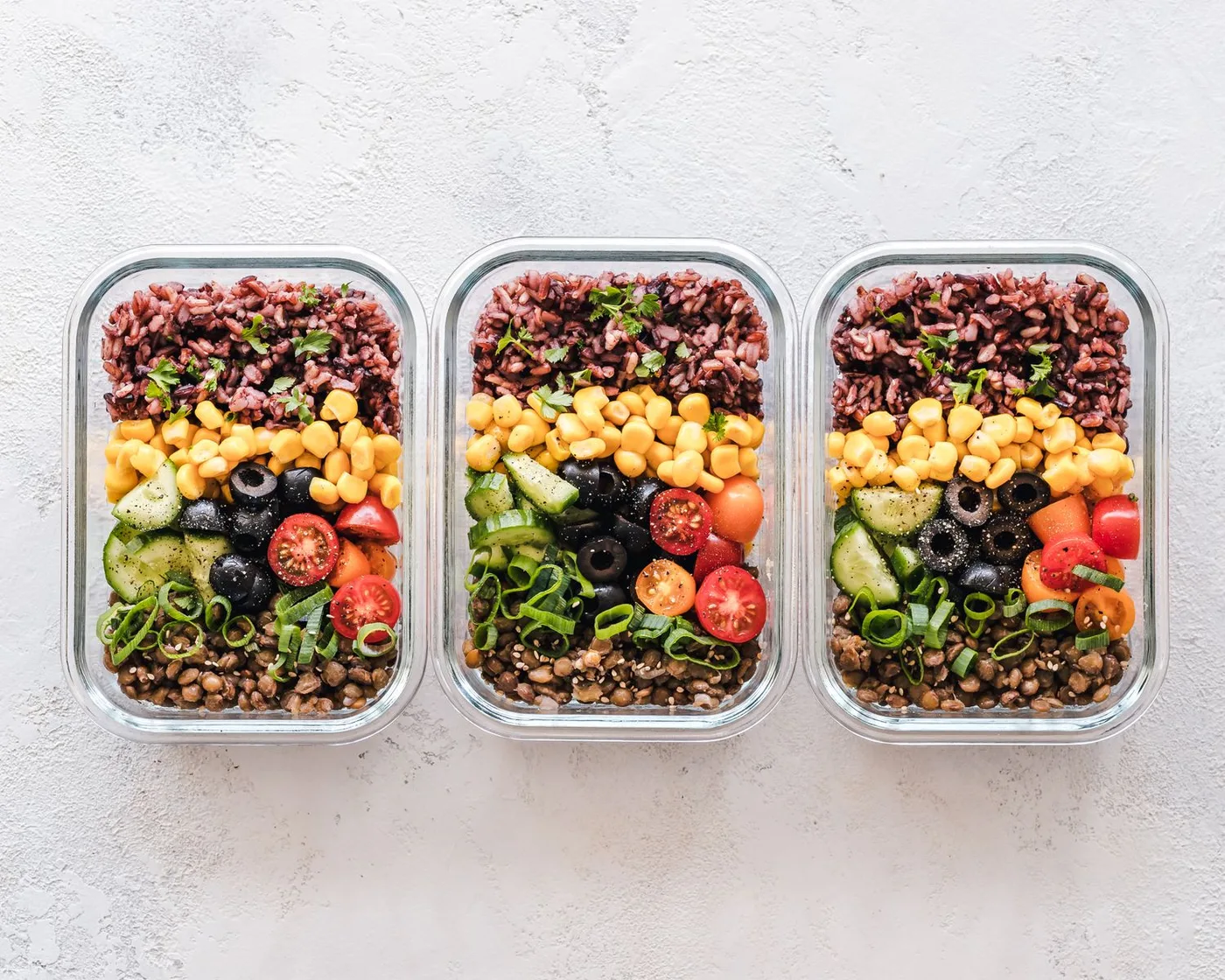
Choose a visible area for prepared food you intend to eat soon. Label the contents and cooking or opening date where useful. Review that area before planning dinner or packing lunch. Do not mix an undated older portion into a new batch simply to clear a container.
USDA generally gives cooked refrigerated leftovers a three-to-four-day window. Use suitable food-specific guidance for other products rather than applying one rule to the entire fridge. The 'eat next' label is a reminder to make a decision; it does not make an item safe if it was stored improperly.
Use bins for loose items, not every item
A small removable bin may help with loose yogurt cups or several little condiment jars. A large bin around already manageable containers can add plastic walls without improving access. Measure the loaded bin's lift-out route, including the door shelves that may narrow the opening.
Choose a low enough side to read labels and remove an item without taking out the whole bin. Avoid tightly filling the shelf with organizers. Large flat trays can obscure spills underneath, so lift them during cleaning. Never use a storage accessory in a way that blocks the refrigerator's airflow or conflicts with its manual.
Plan for groceries before they arrive
Before shopping, check the open products and leftovers. Write the meal plan around what can be used appropriately, then photograph the shelves if it helps avoid duplicates. Keep a flexible area for a large vegetable or dinner dish instead of assigning every inch permanently.
When unpacking, put new duplicates behind older usable stock while checking dates and condition. Keep packages with important cooking or allergen information intact. Avoid washing and repacking every item just for visual consistency; some foods are better handled according to their specific storage instructions rather than a general organizing trend.
Make the weekly reset short
Choose a repeatable moment, such as the evening before grocery shopping, to review leftovers and wipe reachable spills. Inspect beneath trays and around drawer edges. A small recurring check is easier to maintain than repeatedly emptying an overcomplicated arrangement.
If you share the fridge, use plain category labels and leave enough flexibility for different meals. Shop for accessories only after identifying a repeated problem: small items falling, a hard-to-lift group, or leakage that needs suitable containment. The goal is a refrigerator where food moves through a sensible routine, not one that stays photograph-ready.
Shopping notes
Use these options as a starting point, then check dimensions, current materials, care instructions, availability, and the retailer’s return policy before ordering.
Rubbermaid Brilliance storage containers
Consider it for: Covered leftovers that need visible contents and useful portion sizes.
The tradeoff: Choose the exact size and care permissions; additional containers cannot replace temperature checks or dated food decisions.
Explore at the official site External merchant link · no affiliate commissionYour questions, answered
Should eggs move into a clear refrigerator organizer?
FDA advises keeping eggs in their carton inside the refrigerator rather than on the door. The original carton also retains product information. A separate display container may add work without improving the routine.
Can I use smell to judge every leftover?
No. FDA notes that food can be unsafe without appearing or smelling spoiled. Use storage-time, temperature, and handling guidance rather than treating a smell check as proof of safety.
Do clear bins help a small fridge?
Sometimes. They can group loose items, but thick walls and oversized shapes consume space. Try one measured bin for a specific problem and keep ventilation and easy shelf cleaning in mind.
Sources & further reading
Product and care details were checked against the sources below on October 18, 2026. Our practical recommendations are editorial judgments, and a listed source does not imply endorsement.
- FDA: Are You Storing Food Safely?Checked 2026-10-18
- USDA: Refrigeration and Food SafetyChecked 2026-10-18
- USDA: Leftovers and Food SafetyChecked 2026-10-18
- Rubbermaid: BrillianceChecked 2026-10-18